A palindrome in DNA is a sequence consisting of two identical or highly similar inverted repeats which are either adjacent to one another or separated by a spacer region.
Perfect and Spacer Palindromes
If the repeats (also called the palindrome arms) are identical and have no spacer in between,
the palindrome is referred to as perfect. The term quasipalindrome can be used to refer to a non-perfect palindrome.
The minimum length of a DNA palindrome is 6 base pairs. For a spacer palindrome, minimum three pairs of complement bases must be present
regardless of the length of the spacer.
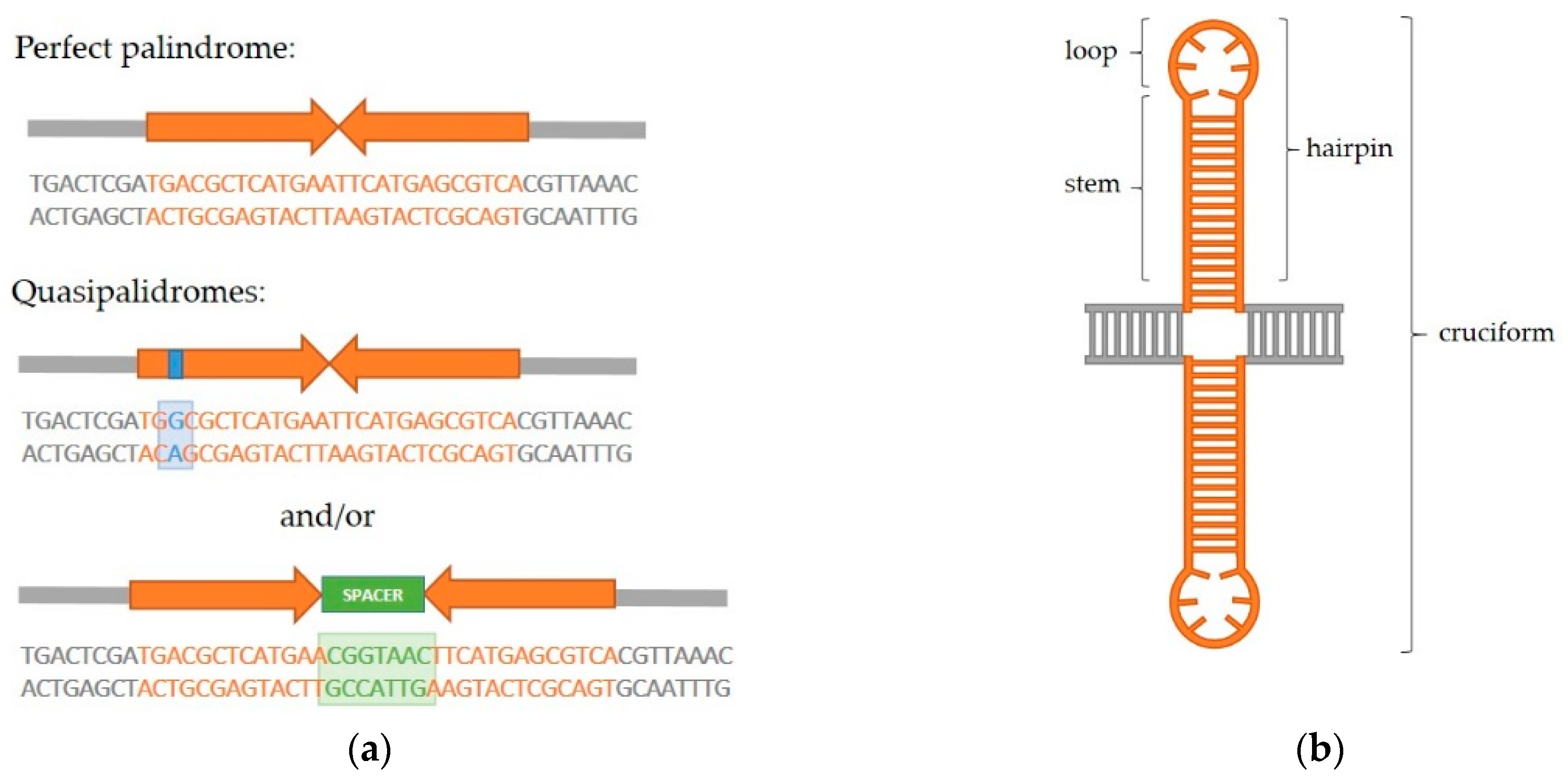
Figure 1: The types of DNA palindromes (Miklenić & Stevec, 2021).